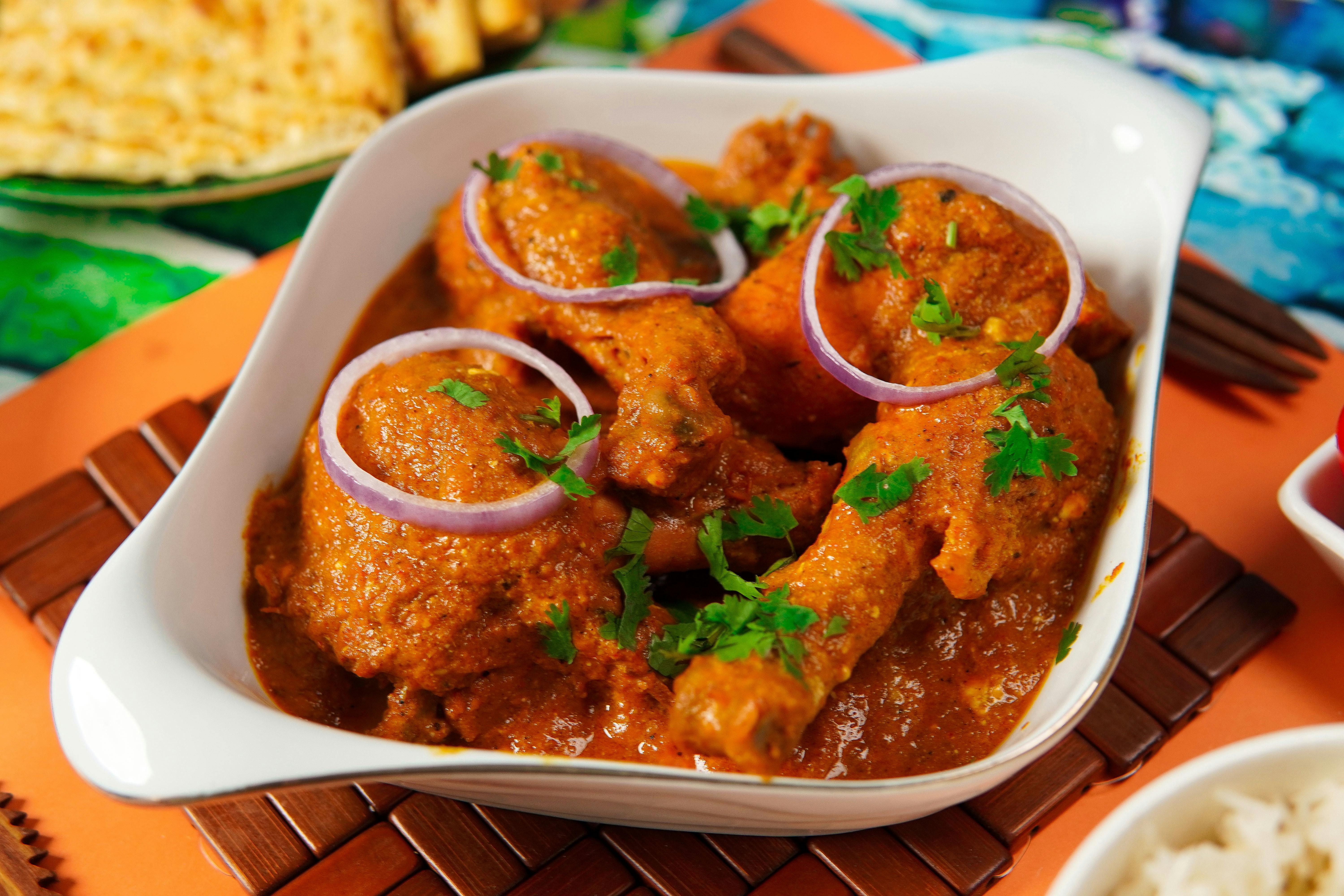
North Indian cuisine is celebrated around the world for its rich gravies, aromatic spices, smoky tandoori dishes, and freshly baked breads. From royal Mughal kitchens to bustling city streets, the food of North India reflects centuries of cultural influence, regional diversity, and culinary craftsmanship.

North Indian cuisine is a vibrant tapestry of flavors, aromas, and traditions shaped by centuries of cultural exchange, geography, and history. Known for its rich gravies, aromatic spices, and comforting breads, this regional cuisine offers an unforgettable culinary journey that continues to captivate food lovers around the world.
At the heart of North Indian cooking lies a masterful use of spices. From the warmth of cumin and coriander to the bold notes of garam masala, each dish is carefully layered with flavor. Slow cooking techniques-such as simmering curries over low heat or using a traditional clay oven (tandoor)-help develop deep, complex tastes that are both satisfying and nuanced.
The tandoor, in particular, plays a starring role. It’s responsible for iconic dishes like smoky, charred kebabs and soft, slightly crisp flatbreads. This cooking method not only enhances flavor but also adds a unique texture that defines many North Indian favorites.
North Indian cuisine is synonymous with indulgent, comforting meals. Creamy curries like butter chicken and paneer makhani showcase the region’s love for rich, tomato-based gravies enriched with butter and cream. Lentil dishes such as dal makhani-slow-cooked black lentils with butter and spices-are staples in many households.
Vegetarian cuisine shines just as brightly. Dishes like aloo gobi (spiced potatoes and cauliflower) and chole (chickpea curry) highlight how simple ingredients can be transformed into deeply flavorful meals. The generous use of dairy-milk, paneer (fresh cheese), ghee, and yogurt-adds richness and balance to many recipes.
Unlike some other regions of India that rely heavily on rice, North Indian meals are often centered around a variety of breads. Naan, roti, paratha, and kulcha are just a few examples, each with its own texture and preparation style. Whether brushed with butter, stuffed with spiced fillings, or cooked over an open flame, these breads are essential for scooping up curries and gravies.
The cuisine of North India has been significantly influenced by the Mughal era, which introduced rich ingredients like dried fruits, nuts, and saffron. This royal touch is evident in dishes such as biryani and korma, where subtle sweetness and aromatic spices come together in perfect harmony.
Street food culture also plays a major role in the region’s culinary identity. From tangy chaats to crispy samosas, North Indian street food offers bold, exciting flavors that are both accessible and deeply rooted in tradition.
North Indian cuisine is more than just a collection of dishes-it’s an experience. Meals are often shared with family and friends, emphasizing hospitality and togetherness. The act of eating with your hands, savoring each bite, and enjoying a variety of flavors in one sitting reflects a deep cultural appreciation for food.
Exploring North Indian cuisine is like stepping into a world where every dish tells a story. It’s a celebration of bold spices, rich textures, and time-honored traditions that continue to evolve while staying true to their roots. Whether you’re indulging in a creamy curry, tearing into warm naan, or sampling vibrant street food, the flavors of North India promise a journey that is as comforting as it is exciting.

 319-294-4953
 Monday-Friday: 10 AM-9 PM